

PROGRAMME HIGHLIGHTS
Keynote, Sunday November 29
Manaaki Taha Moana: Heritage, communities and climate change.
Dr Huhana Smith, MNZM, Ngāti Tukorehe, Ngāti Raukawa ki Te Tonga
A Professor in the Toi Rauwhārangi College of Creative Arts, Massey University, Wellington, Smith is a visual artist, a writer, a curator of exhibitions (formerly at Te Papa), a Māori horticulturalist and a mātauranga Māori (Māori knowledge) led action-orientated researcher. Since 2010 she has been principal investigator on several major te taiao (environmental) intertidal, freshwater to climate change research projects aiming to benefit Māori communities on the ground, focusing on her iwi coastal farm in Kuku on the Horowhenua Coast.
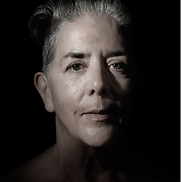
Photo credit: Tumakarau Turu, 2026, Erena Arapere Baker
Keynote, Monday November 30
Heritage perspectives from Moana Oceania: Indigenous knowledge systems and cultural practices.
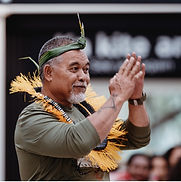
Lamotrek Pairourou H. Larry Raigetal
H. Larry Raigetal is a co-founder of Waa’gey, a non-profit organisation in Yap, Federated States of Micronesia, that works with communities to promote cultural heritage of the reimethau, indigenous people in the central Caroline Islands, and serves as its president. He is also a volunteer instructor in traditional Micronesian seafaring system teaching canoe carving and celestial navigation.
Learned from his father Pakemai, Raigetal earned “Senap” as an accomplished canoe carver initiated under the carving school of “Taan Gech”. Through his lineage from “Haboilol” in Polowat, he learned from his grandfather Oraitur and was initiated by Rainam through the pwo ritual and earned Pairourou (traditional navigator) under the mast of “Weriyeng”. As a navigator and canoe carver, Raigetal shares his passion for nurturing and growing sustainable seafaring traditions with audiences around the world.
Raigetal served in various capacities in the public and private sectors in the Federated States of Micronesia and Yap State. He is a graduate of Xavier High School, University of San Francisco, and earned his post graduate degree from Oxford University.
Raigetal is an Assistant Professor at the University of Guam, Micronesia Areas Research Center, teaching Micronesian studies and the seafaring system under ‘Island Wisdom’.
As well as giving a keynote address, Raigetal will be participating in the Talanoa – Our Ocean of Islands exhibition panel about the current landmark exhibition at the New Zealand Maritime Museum | Hui Te Ananui A Tangaroa that brings together the Indigenous knowledge systems and cultural practices of 24 Moana Oceania island nations, including Tangata Whenua and all 17 island nations with diaspora communities in Aotearoa.
For more about Raigetal and the exhibition see www.auckland.ac.nz/en/news/2026/04/02/master-navigator-spotlights-indigenous-navigation-systems.html and www.maritimemuseum.co.nz/exhibitions/our-ocean-of-islands
Māori heritage panels, Sunday November 29
Ngā tāngata taumata rau: Māori leaders of national heritage organisations speak
In this session, Māori leaders of the national library, archive, museum and film archive describe the work they are doing inside mainstream government agencies. How do they understand heritage from a Māori perspective, and how is this incorporated into their institutions? How are they responding to Te Tiriti o Waitangi/The Treaty of Waitangi? How do they balance serving iwi tribes and Māori communities as well as the general public? In what ways are they working together to meet common goals and challenges? Over the past decade they have seen a convergence of the heritage sector and how this impacts the way they as kaitiaki of ngā kōrero a ngā tūpuna (guardians of the stories of the ancestors) manoeuvre in an ever-changing environment with constant challenges that arise past, present and future. Each of the panellists have engaged in different ways to meet these challenges and speak about how they see the future panning out.
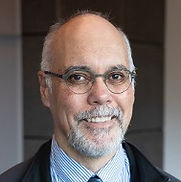
Paul Diamond, Ngāti Hauā, Ngāpuhi, Te Rarawa
Head of Art, History, Pacific Cultures and Mātauranga Māori, Museum of New Zealand Te Papa Tongarewa

Honiana Love, Te Ātiawa, Taranaki Iwi, Ngāti Ruanui, Ngā Ruahinerangi
Tumu Whakarae - Chief Executive, Ngā Taonga Sound & Vision

Ruki Tobin, Ngāpuhi, Ngāti Kahu, Ngāti Whātua
Kaihautū - Director Mātauranga Māori, National Library Te Puna Mātauranga o Aotearoa and Archives New Zealand Te Rua Mahara o te Kāwanatanga
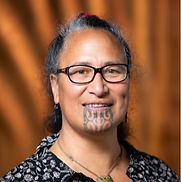
Anahera Morehu, Ngāti Whātua, Ngāpuhi, Te Rarawa, Te Aupōuri, Ngāti Kahu
Poumanaaki Chief Archivist at Archives New Zealand Te Rua Mahara o te Kāwanatanga
He taonga tuku iho: Māori heritage from an iwi perspective
In contrast to the panel from Crown agencies in the capital, the speakers on this panel, who are closely involved in a variety of tribal heritage initiatives in the regions, describe the work they are doing in their communities, including the development of whare taonga (museums), archives, cultural centres and exhibitions, courses in collection care, and co-management of natural heritage including rivers, harbours and natural environment. They talk about how they understand heritage from their perspective, and how taonga (treasures), whether objects, practices, or places, relate to tribal social development.
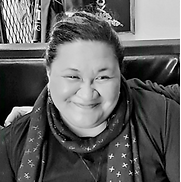
Whina Te Whiu, Te Rarawa
Iwi and community archives advisor, Department of Internal Affairs Te Tari Taiwhenua o Aotearoa, Auckland.

Glenda Taituha-Tuka, (Waikato-Maniapoto, Ngaati Raahiri, Ngaati Kuia) Pou Matua - Ngaa Taonga Tuku Iho
General Manager, Heritage and Identity, Waikato-Tainui

Te Rauparaha Horomona, Ngāti Toa Rangatira
Whakapapa Kaiarahi Cultural Services Manager, Te Rūnanga o Ngāti Toa Rangatira